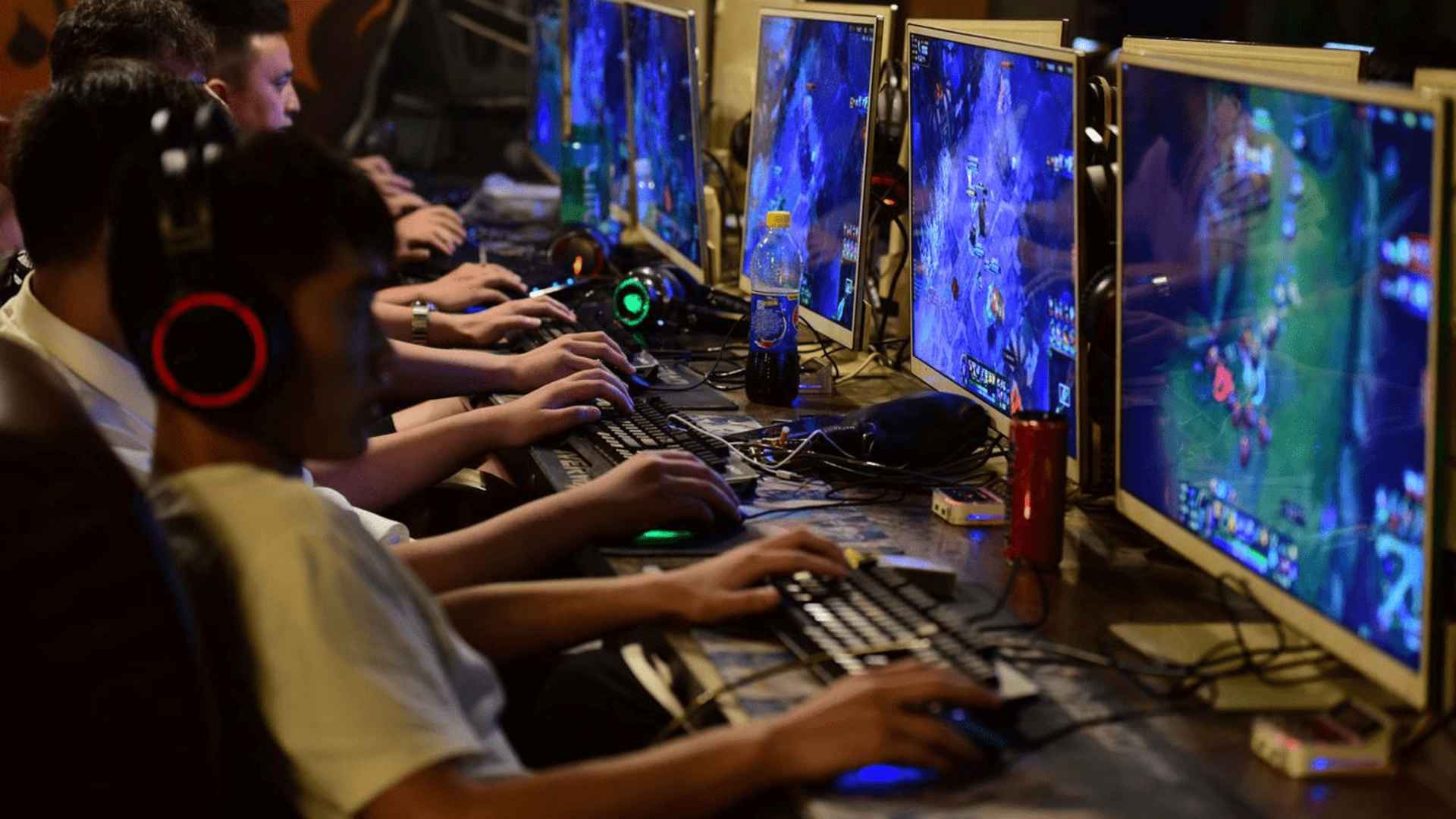
Engaging in tabletop activities offers a remarkable way to sharpen your cognitive abilities and refine your real-time decision-making skills. Unlike passive digital entertainment, interactive table games challenge players to actively analyze scenarios, anticipate outcomes, and adapt to unpredictable variables. This dynamic process encourages a state of continuous mental training, helping participants make more deliberate and thoughtful choices with every turn they take.
The Brain Mechanics of Strategic Play
When you sit down to play a strategy game, your brain immediately begins processing a massive network of possibilities. Players must calculate risks and weigh multiple outcomes before executing a single action on the board. This constant practice strengthens logical reasoning and improves executive control processes in the prefrontal cortex.
Over time, this intense mental stimulation translates into a much sharper ability to solve complex problems in everyday situations. By training your mind to look several steps ahead, you learn to manage stressful scenarios with greater clarity and emotional control.
Enhancing Inhibitory Control and Restraint
Many advanced table games require high levels of patience and emotional discipline rather than hasty physical reactions. Players must learn to suppress impulsive moves, carefully observing their opponents' habits and table patterns instead. This critical cognitive function, known as inhibitory control, serves as the brain's natural braking system under high-pressure situations.
Developing this deliberate restraint helps individuals avoid costly mistakes both during competitive matches and in real-life scenarios. Those who regularly practice these focused gaming activities often show a much greater capacity for sustained attention and focus.
Analytical Thinking and Adaptive Learning
To consistently succeed in competitive environments, players must continuously evaluate their performance and adjust their tactics. Analyzing previous moves allows you to identify critical flaws and refine your overall approach for subsequent rounds. If you want to follow professional analyses and updates on competitive events, checking out Msports can provide valuable insights. This systematic methodology turns every gaming session into a practical lesson in adaptive learning and self-improvement.
Ultimately, the habits built around the gaming table foster a highly structured approach to managing complex personal projects. By viewing challenges as series of calculated moves, you can cultivate a resilient and highly analytical mindset.
Establishing Better Habits for Lifelong Benefits
Engaging in tabletop hobbies with family and friends provides a highly supportive and engaging social environment. These shared experiences foster genuine human connections, positive communication, and healthy group dynamics. The supportive atmosphere naturally reduces anxiety while allowing individuals to practice complex reasoning in a relaxed setting.
By incorporating these strategic challenges into your regular routine, you ensure that your mind remains active, agile, and healthy. Dedicating just a few hours each week to these brain-boosting activities can yield substantial cognitive benefits that last a lifetime.