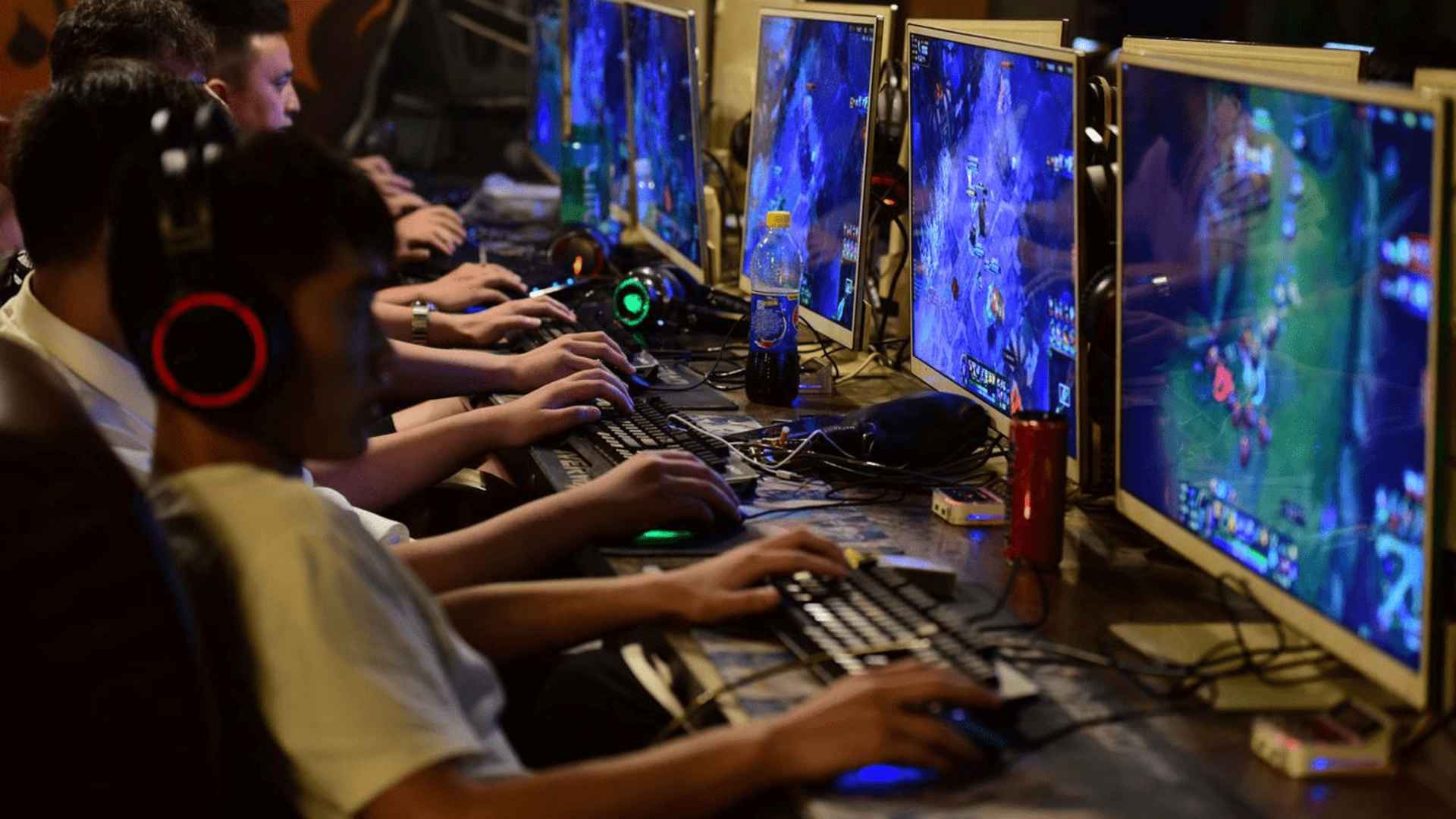
The modern digital landscape has transformed multiplayer gaming from a casual hobby into a sophisticated test of intellectual coordination and long-term planning. Today, millions of global participants engage in virtual spaces that demand high levels of cognitive adaptability and deep team collaboration. These shared environments foster meaningful social ties while challenging players to think steps ahead of their opponents.
The Shift Toward Intellectual Coordination
Traditional video games often relied heavily on individual fast reflexes and muscle memory to achieve victory. In contrast, modern multiplayer platforms prioritize deliberate tactical systems and resource management over immediate physical speed. Success in these arenas requires teams to coordinate complex setups and analyze changing parameters in real time.
This analytical layer transforms regular matches into high-stakes puzzles that reward patience and mutual trust. As a result, communities grow more resilient by figuring out how to balance distinct participant capabilities against unpredictable obstacles. Navigating these environments effectively cultivates essential soft skills that translate directly into real-world problem solving.
Building Resilient Virtual Communities
Strong digital connections do not happen by accident; they require structured cooperative frameworks built into the core game loop. Guild systems, seasonal leagues, and clan challenges encourage players to align their schedules and pool their resources toward collective milestones. These shared goals naturally build strong interpersonal relationships that survive long after a match concludes.
To explore modern hubs that support diverse interactive preferences and dynamic tracking, you can check out Msports for customized updates. Engaging with dedicated digital platforms provides players with the infrastructure needed to optimize team management and analyze strategic performance. These environments ultimately ensure that online groups stay cohesive and highly motivated through shifting competitive cycles.
The Long Term Value of Tactical Planning
Evolving progression models ensure that tactical games remain engaging for hundreds of hours without feeling repetitive. Developers regularly introduce dynamic patches and limited-time events that shift the optimal strategy, forcing veteran teams to adapt continually. This constant evolution prevents the meta from becoming static and maintains a highly active community.
Ultimately, the true longevity of these games relies on how effectively they challenge the collective mind of the player base. When individuals invest time into mastering deep mechanics alongside dependable allies, the resulting victory is incredibly satisfying. It is a thrilling intellectual landscape where strategic foresight turns casual engagement into lasting competitive mastery.