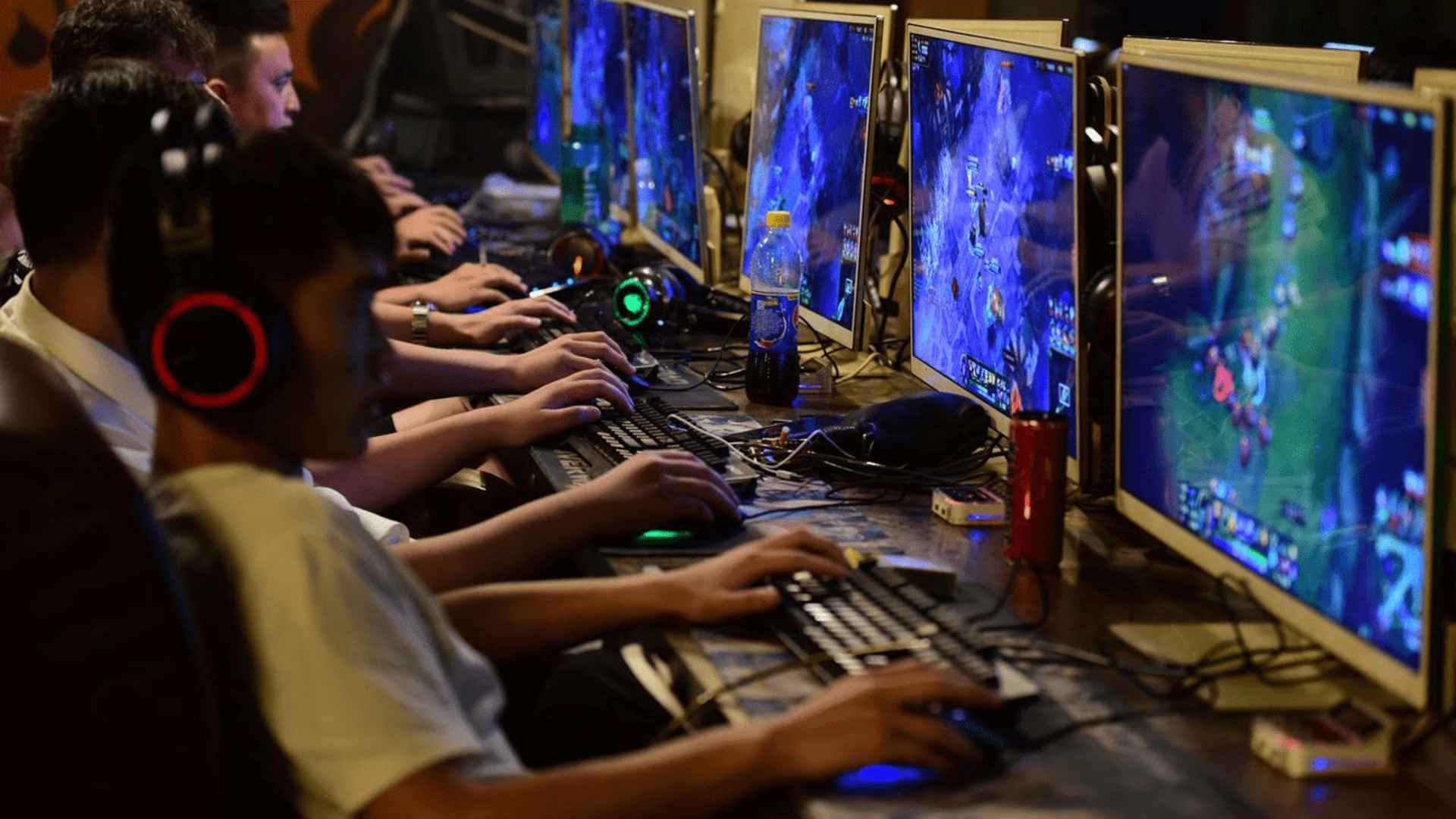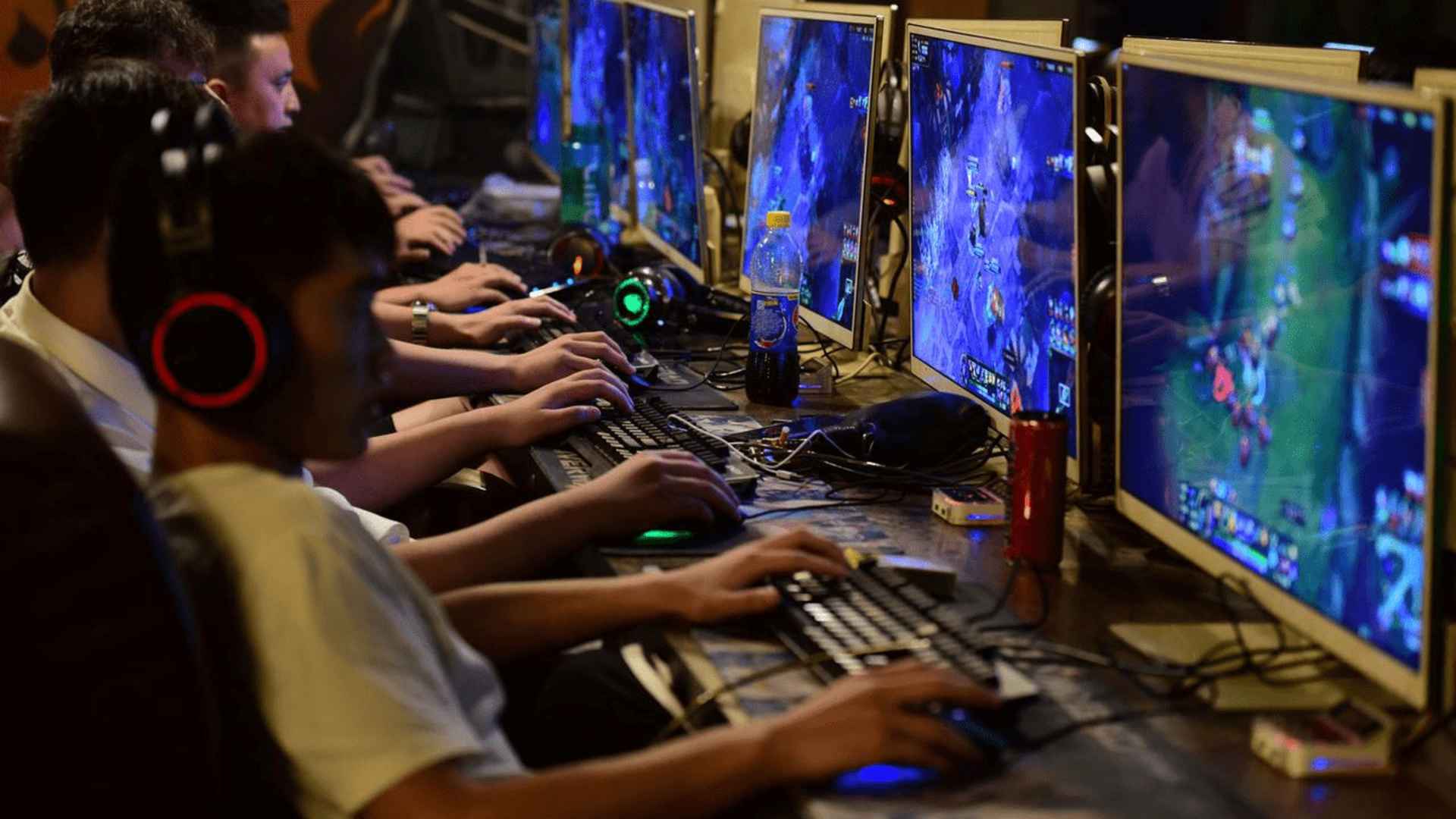
Engaging in extended online card games requires software that maintains peak performance over several hours without causing technical friction. Serious players must carefully analyze how platform design impacts their focus, decision-making efficiency, and physical comfort during prolonged play. Choosing an optimal digital environment involves balancing multi-table stability, interface configuration, and seamless connectivity tools.
The Core Requirements for Software Stability
System reliability remains the absolute baseline when testing applications for continuous, multi-hour utilization. A minor memory leak or brief lag spike can ruin complex strategy calculations during a high-stakes decision window. High-quality builds are optimized to consume minimal processing power, keeping frame rates consistent across active windows.
Furthermore, structural endurance ensures the platform handles busy tournament traffic without unexpected disconnections. Players should monitor software behavior during peak hours to evaluate true operational limits under heavy loads. Consistent developer patches and updates generally indicate a software framework built for long-term endurance.
Evaluating Visual Layouts and Customization Options
Visual ergonomics play a vital role in mitigating mental fatigue when grinding through lengthy tournament schedules. Clean interface elements and customizable deck graphics help enthusiasts track game progress without straining their eyes. Platforms that offer minimalistic themes allow participants to concentrate fully on player actions rather than flashy background animations.
Advanced setting menus also grant users the freedom to arrange multiple tables efficiently across modern high-resolution displays. Incorporating adjustable keyboard hotkeys and specialized action sliders reduces the physical micro-movements required per hand. Utilizing a streamlined layout prevents accidental clicks, keeping accuracy high throughout grueling tournament runs.
Assessing Portable Navigation and Mobile Flexibility
Modern gaming habits often require transitioning between dedicated desktop stations and portable setups without sacrificing tracking functionality. Assessing how an interface scales down to smaller dimensions helps verify if tactical visibility remains fully intact on the move. Fast loading times and responsive menus are crucial for maintaining position when managing accounts remotely.
When analyzing these portable gaming setups, verifying stable connection options via an optimized m88 login mobile link ensures players can access their profiles securely from anywhere. Intuitive gesture controls and simplified lobby sorting filters make table management seamless on smaller touchscreens. Seamless data synchronization across devices guarantees that historically compiled statistics remain accessible at any time.
Built-In Analytical Tools and Historical Performance Tracking
Comprehensive hand history recorders and tracking features are essential tools for anyone looking to refine their strategy over time. Premium software platforms index played hands automatically, allowing users to review complex scenarios post-session without straining local hardware resources. Built-in note-taking systems should be highly responsive, enabling swift player labeling while maintaining active focus on concurrent action.
Ultimately, selecting the right software relies on balancing responsive software design with customizable user options. Testing how a platform behaves over several hours provides the practical insights required to pick a truly sustainable gaming environment. A well-chosen application ultimately minimizes external technical distractions, allowing strategic execution to take center stage.