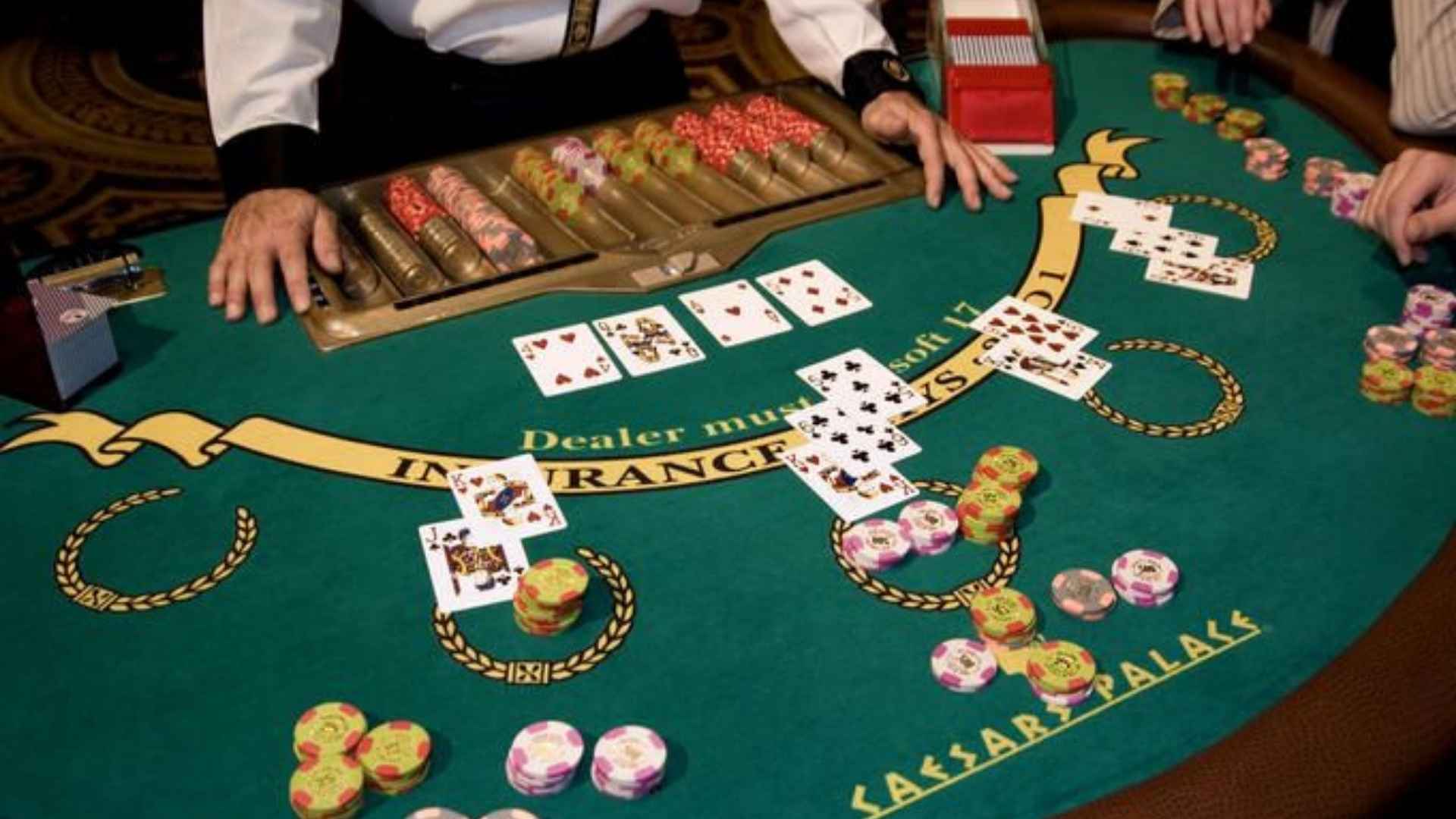
Poker is fundamentally a game of incomplete information where long-term success relies entirely on the quality of your choices rather than short-term luck. While anyone can easily memorize basic card rankings in a few minutes, true mastery over the table requires deep analytical thinking and strict tactical discipline. Elevating your overall performance involves moving away from impulsive plays and focusing completely on calculated risks.
Analyzing the Value of Information
Every single action taken at the green felt provides a wealth of hidden data regarding your opponents' underlying strategic tendencies. Observant players meticulously track betting sizes, psychological reaction times, and positional habits to uncover highly exploitable patterns during a session. By treating each dealt hand as a complex logic puzzle, you can make far more objective deductions before committing your chips.
Gathering continuous data allows you to transition from reckless guessing to making educated assumptions about opponent range metrics. This analytical mindset heavily reduces the standard variance commonly associated with amateur gameplay across multiple tables. Engaging with analytical athletic discussions on reputable platforms like Msports can further sharpen your conceptual framework for high-stakes competitive environments.
The Power of Positional Advantage
Seating position relative to the moving dealer button is arguably the most critical variable in formulating a successful hand strategy. Acting last gives you the immense benefit of observing how everyone else reacts before you are forced to declare your move. This massive informational leverage simplifies complex choices and actively protects your bankroll from unnecessary pressure.
Choosing to play fewer hands from early positions avoids the common trap of navigating difficult post-flop scenarios completely blindly. Conversely, wider starting ranges become highly profitable when you possess the structural advantage over the remaining field at the table. Mastering this spatial dynamic shifts your daily focus from pure card strength to sustainable situational superiority.
Managing Variance and Bankroll Boundaries
Even the most brilliant strategic choices can occasionally result in short-term losses due to the natural mathematical variance inherent in cards. Developing deep emotional resilience prevents temporary downswings from triggering highly destructive psychological habits like playing on tilt. A disciplined competitor accepts statistical anomalies gracefully without altering their mathematically sound long-term approach.
Establishing strict fiscal boundaries ensures that a sudden run of poor card distribution will never jeopardize your entire gaming capital. Proper bankroll management allows you to absorb unavoidable losses comfortably while remaining completely confident in your strategic edge. Protecting your funds through strict financial guidelines is just as vital as executing a flawless bluff.
Embracing Process Over Immediate Outcomes
True long-term progress in poker is measured solely by the correctness of your decisions rather than the immediate outcome of a single pot. A poorly played hand that happens to win can reinforce terrible behavioral habits if left unexamined by the player. Regularly reviewing your personal hand histories objectively remains the most effective method for plugging subtle tactical leaks.
Focusing entirely on high-quality execution naturally leads to sustainable profitability over thousands of individual card sessions. By systematically removing emotional impulses and relying heavily on strategic patience, you elevate your game to a professional tier. Ultimate consistency at the competitive table is built entirely through continuous self-reflection and steady mental endurance.